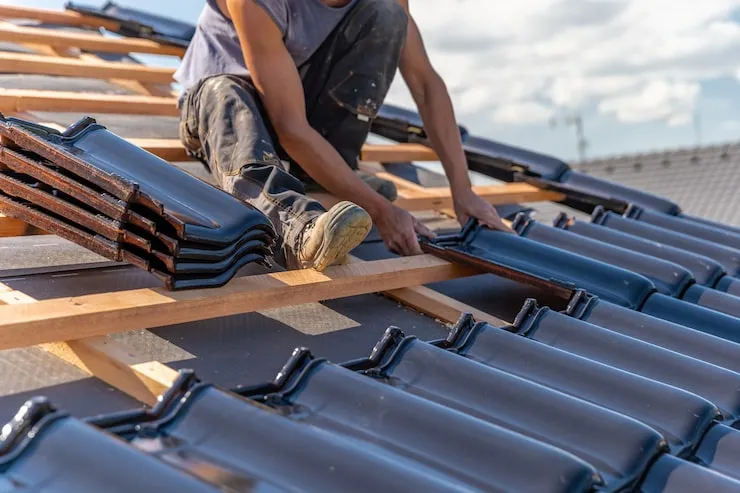
No one wants to pay to replace a roof before they need to, and no one wants to wait until water is dripping down the walls. The key is to be aware of the warning signs in time to plan. So, if you are contemplating having your roof replaced in NJ, you may be wondering what are the clearest signs you should look for to make the decision, rather than guessing.
What is the life expectancy of a roof?
It is important to check the first thing, which is the age. Typical life span for residential roofs is 20-30 years. Typically, asphalt shingle roofs last 25 years, while metal roofing lasts 40 years or longer with maintenance. The placement of your roof in that range will be influenced by weather exposure, installation quality, and maintenance.
Even if there is no visible problem, if your roof is approaching or at its expected end of life it is prudent to inspect. Roofs that are getting older tend to give up before they cry.
If you have cracked, curling or split shingles, call us today for immediate repair.
The roof's first line of defense are shingles. If they are cracked, curled or splitting they are no longer efficient at providing protection. Water infiltrates and causes damage to the underlayment and deck, mould and finally failure of the roof.
Some broken shingles can be fixed. If there is widespread cracking or curling on the roof it's another situation. This typically indicates that it is a worn-out material, and it's only a matter of time before it breaks down again.
Put granules in the Gutters.
The granules protect shingles from water and sun. If you notice a great deal of these granules in gutters or near the base of downspouts, it means that the shingles are wearing out. If shingles become bald, the next layer of material is exposed, causing it to deteriorate more quickly.
Even if it appears that granules are not missing from a roof after a storm, a hail storm can loosen granules.
A Sagging Roof
One of the worst indicators is a sagging roof. Indicates a structural issue, typically caused by moisture, structural decay, or flat or low-slope roofing water pooling over time. The sag should never be ignored as it can become much more expensive to fix and, in the most dire scenarios, create hazards.
Leaks and Water Stains
Any brown or yellow stained ceilings, peeling paint up near the roof, damp insulation and musty odor in the attic are signs of water infiltration. If one leak has been identified from one damaged area, this can be fixed. Leaks in multiple areas indicate that the roof needs to be replaced.
Rising Energy Bills
A leaking roof will lose conditioned air. If you're noticed your heating and cooling expenses have seemed to increase without any other cause, an old roof with inadequate insulation could be the culprit. An energy-efficient new roof will lower your energy bills all year long, close off leaks and decrease the work performed by your heating and cooling system.
Storm Damage
Even if you do not see a leak, follow-up the inspection after a storm. A good roofer will record the damage and indicate if repairs are recommended or complete roof replacement is best. When storm damage, wind damage, hail damage, leaks, and debris impact cause property damage, SunForce provides homeowners with details of the inspection, documentation of the storm damage, and guidance all along the way through an insurance claim.
Proposed solutions: Repair or Replace? A Simple Way to Decide.
When the damage is contained in a small section, and the remaining roof is in good shape, a repair is typically the best option. Some situations may warrant replacement, such as when the roof is in the final stages of service life, when leaks are recurring in other areas, extensive damage has occurred, and/or structural issues like sagging have arisen.
Consider the long-term effects, too. When you are thinking of staying in the house for a long period of time or plan to sell it in the near future, then it might be better to invest in a new roof rather than making frequent repairs. roof replacement NJ projects can be a great investment for many homeowners, offering them peace of mind, reduced energy bills, and improved resale value.
Different Roof Types, Different Signs
The signs of aging of asphalt shingle roofs are cracking, curling, and loss of shingles. Pools and sagging are common issues with flat and low-slope roofs. Split or worn shakes will wear out on cedar roofs and require special attention. Corrosion, loose seams and worn fasteners are signs of age for metal roofs.
A Free Inspection Reveals
The best way to resolve the issue is to have a professional inspection. SunForce's services encompass a complete roof survey via a drone if necessary, and will be provided at no cost, with the result being a quick and accurate picture of the entire roof without anyone walking on a slippery surface. A thorough, transparent evaluation is provided, along with options, no hidden costs, and no pressure.
Why do you have to wait?Why Wait?
Delay is the most expensive option. Any water that goes into the house can cause insulation damage, decay, and create a breeding ground for mold and insects. It can discolor ceilings, damage floors and even deteriorate the building structure over time. When a replacement that has been planned and funded becomes an emergency.
Conclusion
The symptoms are typically present before disaster: old, cracked, or curling shingles, granules in gutters, sagging, frequent leaks, high utility bills, damage from storms. Listen to them, have a professional assessment, and work on your schedule. When homeowners decide to replace their roof in NJ, it can be a crisis or a routine task when it's handled early.